
Website Content Chatbot: How to Answer From Your Archive
Build a website content chatbot that answers from your archive with clear source rules, correction handling, citations, tests, and useful metrics.

Chatbot Refusal Testing: Fix Answers That Say No Too Often
Use a chatbot refusal test set to catch false denials, measure recovery, and keep safety rules from blocking legitimate customer questions.

AI Agent Circuit Breakers: Stop Runaway Tool Failures
Build an AI agent circuit breaker that stops runaway chatbot tool failures, preserves evidence, and restores service with safe half-open tests.

Chatbot Customer Context: What Every Support Answer Needs
Build a safe chatbot customer-context envelope with identity, live state, policy evidence, freshness, permissions, and handoff-ready provenance.

Chatbot Ground Truth: How to Build a Reliable Answer Key
Build chatbot ground truth with owned evidence, allowed outcomes, edge cases, and expiry rules so evaluations measure real answer quality.
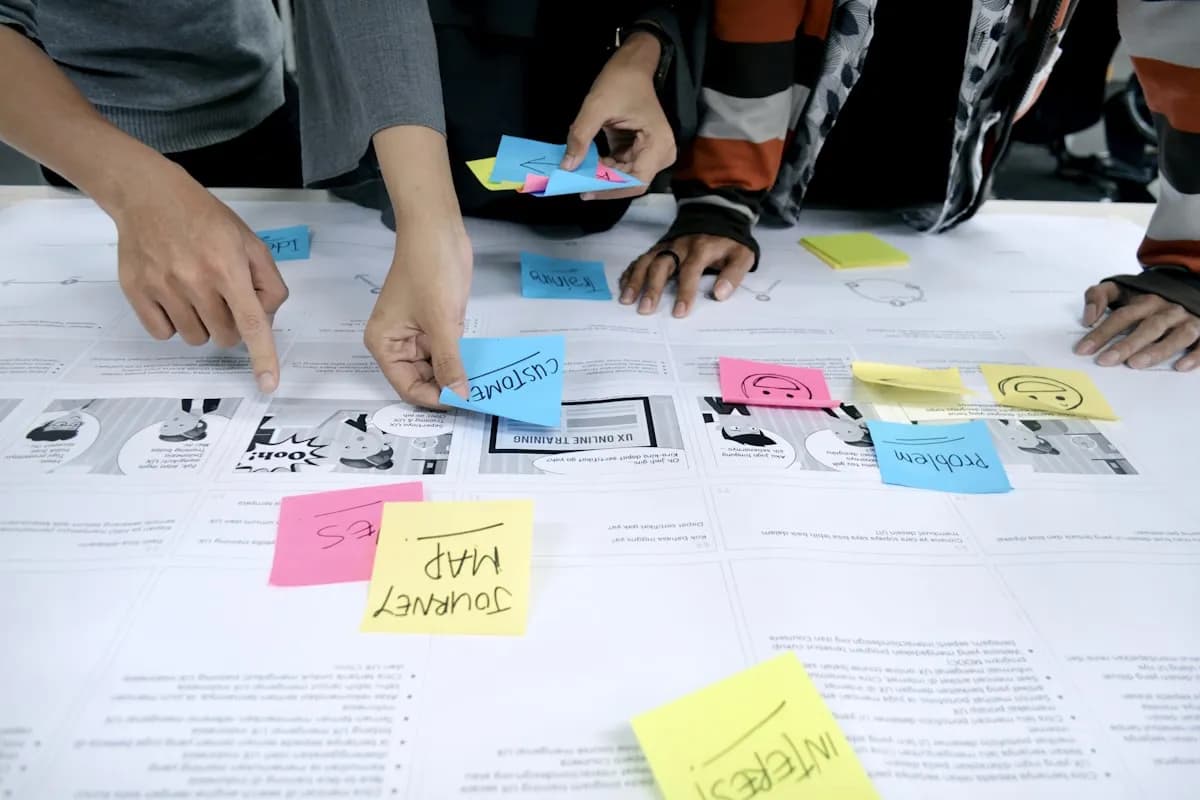
AI Support Pilot: How to Choose Your First Workflow
Choose an AI support pilot with a practical scoring rubric, worked example, acceptance gates, and rollout plan for a safe first chatbot workflow.

AI Agent Hooks: How to Control Every Chatbot Tool Call
AI agent hooks let you inspect, block, and audit chatbot tool calls. Use this runtime checklist to enforce policy before and after every action.

Chatbot QA Sampling: Review the Right Conversations
Build a chatbot QA sampling plan that combines a random baseline with targeted risk reviews, without turning a biased sample into a misleading metric.

Chatbot Capacity Planning: Forecast Traffic and AI Costs
Use chatbot capacity planning to forecast conversation volume, model demand, latency, and AI support costs before launches, incidents, or plan changes.

Chatbot Handoff Routing: Send Each Case to the Right Team
Build chatbot handoff routing rules that send billing, technical, sales, and urgent cases to the right team with useful context and safe fallbacks.

Chatbot Reasoning Effort: When More Thinking Pays Off
Set chatbot reasoning effort by intent, balancing answer quality, response time, and AI support cost with a practical routing and testing framework.

Omnichannel Chatbots: Keep Answers Consistent Everywhere
Use this omnichannel chatbot framework to keep policies, handoffs, and answers consistent across web chat, voice, messaging, and support channels.
Chatbot Model Evaluation: How to Compare LLMs Safely
Use a chatbot model evaluation scorecard to compare answer quality, grounding, latency, and cost before switching the model behind customer support.

Chatbot Citations: How to Make Every Answer Verifiable
Design chatbot citations users can verify, with source metadata, conflict rules, worked examples, and tests for grounded AI support answers.

Chatbot Knowledge Base: Turn Support Tickets Into Answers
Turn resolved support tickets into a reviewed chatbot knowledge base without importing stale policy, private data, or one-off exceptions.

AI Agent Incident Response: A Chatbot Containment Runbook
Use this AI agent incident response plan to contain unsafe chatbot actions, preserve evidence, rotate credentials, recover safely, and test the runbook.

Chatbot Confidence Scores: When to Answer or Escalate
Use a chatbot confidence score built from source coverage, conflicts, risk, and tool results to decide when the bot should answer, clarify, or escalate.

Chatbot AI Disclosure Requirements: A Practical Checklist
Use this chatbot AI disclosure checklist to meet the EU AI Act transparency rules with clear notices, accessible copy, channel tests, and evidence.

AI Support Surge Planning for Traffic and Incident Spikes
Build an AI support surge plan for launches, outages, and weather events with clear thresholds, degraded modes, escalation rules, and recovery checks.

AI Agent Trajectory Monitoring: Catch Multi-Step Failures
Use AI agent trajectory monitoring to catch chatbot plans, tool calls, retries, and stop decisions that look safe alone but fail as a sequence.

AI Support SOP Template for Reliable Chatbot Operations
Use this AI support SOP template to define chatbot scope, owners, escalation, incident response, review cadence, and evidence before customers rely on it.

AI Agent Evaluation Security: Protect Hidden Test Sets
Build an AI agent evaluation firewall that keeps chatbot test prompts, expected answers, graders, and production data isolated from the system under test.

Chatbot Credential Rotation: Keep API Actions Running
A practical chatbot credential rotation runbook for testing new API keys, preserving customer actions, monitoring failures, and retiring old access safely.

AI Agent Sandboxing Checklist for Tool-Using Chatbots
Use this AI agent sandboxing checklist to isolate chatbot tools, credentials, networks, and data before one compromised action becomes a breach.